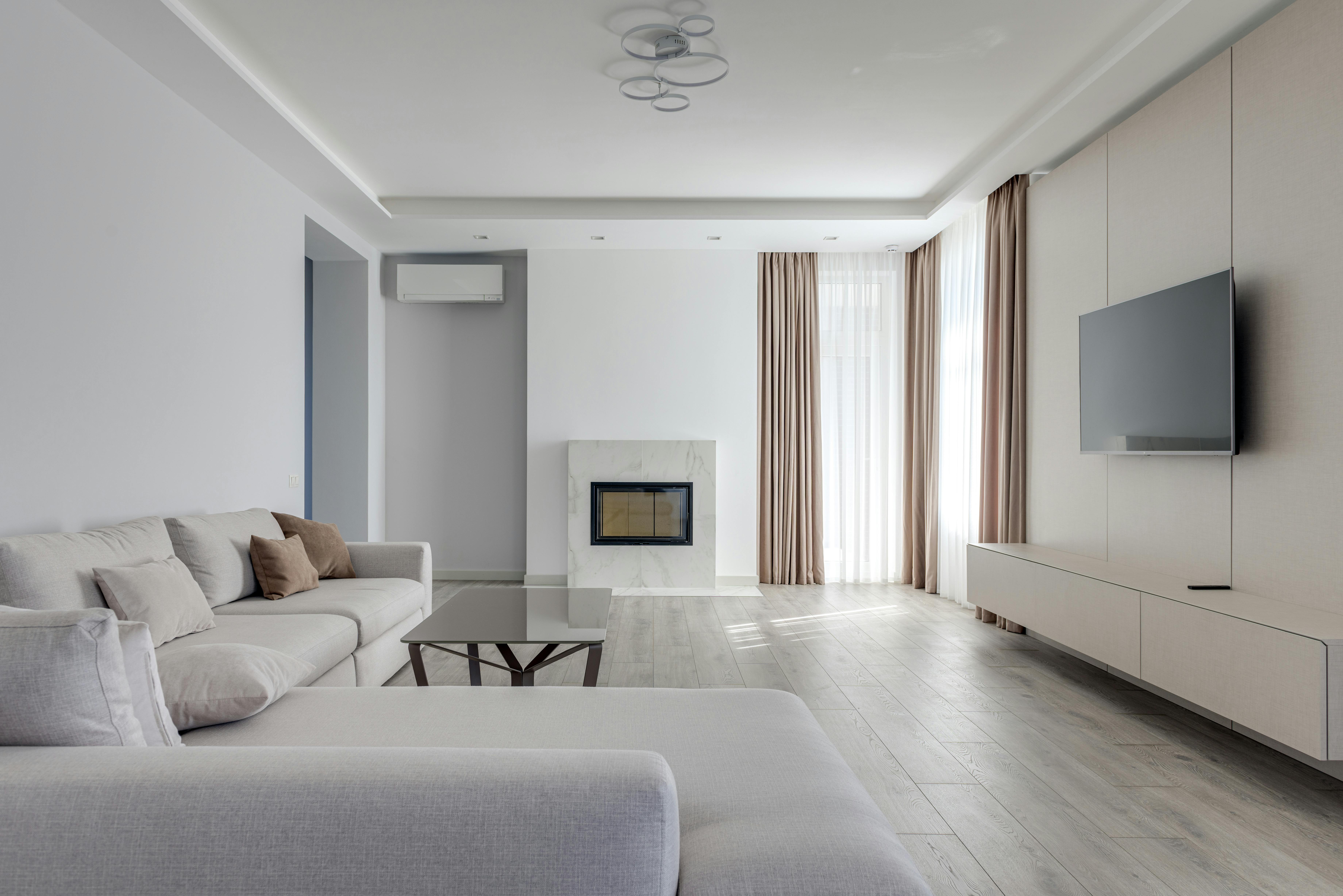
I had the messiest room growing up and struggled to keep a clean house as an adult. I used to go to people’s houses that were clean and wondered how they did it. Then I observed three similarities in everyone I knew who had a clean house. As I started to do those three things, my house significantly improved. I had a friend ask me how I kept my house so clean with three small children. I was in shock, but the following three things really were the trick.
- People with Clean Houses Clean out of Habit
- People with Clean Houses refuse to fill spaces to capacity.
- People with Clean Houses PURGE on a regular basis.
That’s it. That’s seriously the secret to clean houses, to get you started. If you want to go in depth beyond that, read books by Dana K White. I listened to all three of her books, after doing the above three things and my house became even cleaner.
Lasting change in any area of one’s life can only happen through the redeeming power of Jesus Christ. A verse the Lord gave me through my cleaning habit development is Hebrews 12:11.
“No discipline seems pleasant at the time, but painful. Later on, however, it produces a harvest of righteousness and peace for those who have been trained by it” (Hebrews 12:11).
With the Lord’s help, I encourage you to try the following three habits to start cleaning your house.
- Clean out of Habit
What habits do you have? Brushing your teeth? Twiddling your thumbs? Eating when you are hungry, sleeping every stinking night, breathing—like always. What things do you do without even thinking about it? You have to do them. They are part of your nature. Cleaning was never a part of my nature. It was always extra, always a project. So, I started some basic cleaning goals that I hoped would become habits. The goal was not to have a perfectly clean house, but to clean on such a regular basis, that certain tasks became habits.
For daily habits, I started doing the dishes every night after dinner, as a habit. I started cooking or baking something every day. It did not mean cooking full meals every day, but just something like hard-boiling eggs one day for tuna salad the next day.
Then weekly, I started four specific tasks I wanted done on four different days Monday-Thursday. I went grocery shopping one day a week. Another day of the week, I put away all the stuff in our house, starting in the main areas of the house and if I got to it, the bedrooms. I swept the floors, vacuumed, and dusted another day of the week. I did laundry and folded it and put it away one day a week (while watching my favorite TV show).
For me, I did not actually assign a certain day to a certain task. I had clothespins that labeled the four tasks. I moved a clothespin a day over from one side of a curtain to the other side. For me, who only wanted to clean when I felt like it, that worked. That way, if I didn’t feel like going to the grocery one day, I could do whichever of the other tasks I felt like doing, or whichever was left. It gave me some leniency to do what I felt like but still left a structure of what needed done. It also allowed me to go to the zoo any day of the week instead of cancelling the zoo for a trip to the grocery. Then I could go to the zoo that day and sweep/dust/vacuum in the evening or while the kids were napping.
If some task I set out to do one day, I did not finish, I moved on to the next day’s task on the next day. For instance, some weeks, laundry did not get completely put away. So it sat out for a week until laundry day the next week. Or if I only got to dusting, but not to sweeping and vacuuming, that was OK. I would hope that the next week I could start with vacuuming. Anything was better than nothing.
Either way, the goal was not to do things perfectly, but to make the cleaning tasks become habits. For you, think of 1-2 cleaning things you can do daily. Then start doing them, every day. Also think of some you need to do weekly. Then start doing those, in some capacity, every week. If you miss a day or a week, do not get down on yourself. Simply try again the next day and keep going. The goal is NOT to have a perfect house, but to be faithful in making those certain tasks become habitual.
2. Refuse to fill spaces to capacity
Start looking at this when you go to people’s houses that are clean. They have wall space where you can see the whole wall from floor to ceiling. The do not line the outer walls of every room with furniture. They have empty counter space. They even have empty wall space and their book shelves are not completely full. It’s a little uncomfortable and unnerving for those of us who like to fill things to the max and live life to the full. But also notice how…clean it feels, how spacious. The room that wasn’t filled, feels like there is room for you, to rest. This is a lesson for life too. Those who thrive and do not simply survive, carve out enough time and space to have what we call “margin.” They have time to sit, to get a little distracted, to contemplate, to help a friend, to invite someone in. Think of having margin in your home, in each room, in each space.
Ok, so let’s get specific. Say you have twenty coat hooks, but right now it looks like you need 50 because they’re overflowing. Try to let your family only use 10 of those so that you have room for guests. Move the winter coats and hats into a closet in the summer. Move the summer swimsuits into that closet in the winter. “But my closet is already full,” you say. Mine too. I get it. Find a space in the garage, the basement, your storage unit. Or simply get rid of something so you have room for the stuff you need.
Look in your living room. Imagine you were staging your home to sell it, or for a Better Homes and Gardens’ magazine shoot. What would you get rid of furniture wise in order to make it look better? Momentarily forget how sentimental your grandma’s rocking chair is to you. Move what doesn’t belong into another room, any other room. Do not buy anything. Once you have it looking like a magazine the best you can with what you have, you can go back and get your Grandma’s rocking chair. But before you put it in the living room again, take out another piece of furniture first. Now, you should have just a few places to sit, a big open area for people to play, and a few essential other things. All of the things left in your living room should be things that belong in a living room. If it’s a shared space, like a living room/laundry room, separate the two spaces. But don’t leave an extra desk in the living room if you have an office elsewhere. You get my drift.
Remember, just because it fits in a room, does not mean it belongs. It only belongs if it makes the room look and feel good, and it’s necessary. If you’re not sure where to start, just start. Just start removing certain furniture items from certain rooms to see if you like certain rooms with less furniture. You do not have to get rid of furniture right away, but you are certainly welcome to. Remember, less furniture means less you have to clean.
3. PURGE on a Regular Basis
People with clean houses purge on a regular basis. I learned most of what I know about cleaning from visiting my friend Lauren’s house. One day during our small group, she offered for me to go to their basement to nurse my baby. She said, “just ignore our pile of junk. The neighborhood garage sale is this weekend.” This came from someone with an immaculately clean house…always! While nursing my baby in their basement, I observed a massive pile of…what they called junk. It was as tall as me. If I laid down, it was as long as me, in every direction. It had a chair in there, a book, some kids’ toys, some…everything. I do not remember exactly the contents, but I remember it all looked pretty useful to me. At one time, they had found it useful too, but not anymore. That’s when it hit me. They purged on a regular basis, which is why their house remained so clean on a regular basis. They didn’t wait around to see if something that wasn’t being used would suddenly start being used again. They just got rid of it!
Shortly after getting a newer and bigger bed, I bought a bunch of pillows for the said bed. After a few months, I realized I did not like the pillows as much as I thought. So, I got rid of them. It seemed like such a waste. While I had gotten the pillows on sale and from a secondhand store, I still felt like it was a waste of money if I got rid of them. But I did not like them anymore. They were not working for their intended purpose. They were stuffed in a closet and taking up space because I did not want to get rid of them. So, I got rid of them.
But you know what? It wasn’t a waste. Keeping something, that’s not being used is a waste. If you do not know where to start with getting rid of things, just start. Just start and keep going. Realize you will have to keep doing that forever. Realize it will get easier as you go. Also realize that you very likely will get rid of something and regret getting rid of it. If you realize you actually needed something you got rid of, go out and rebuy it. But also, try not being so attached to stuff. When we die, we cannot take anything with us. My missionary friends have to dwindle down their stuff to two totes per person. And that includes their clothes, books, toys, and everything! Jesus traveled regularly with very little. You will survive. In fact, you will likely more than survive, but…thrive!
You Can Do It!
Are you ready for a cleaner house? You can do it, with the Lord’s help (Matthew 19:26)! Make a list of what you want done. Then looking at that list, think about your capacity. How much can you reasonably do in a day? Or a week? Start there, making those cleaning tasks habits, so you eventually do them without even thinking about it. Feel free to change up the routine after a month or so. You’re in charge. But remember, make cleaning become a habit, purge regularly, and refuse the urge to fill things to capacity. By doing those three essentials, your house will start to shape up.
